About me
Before I could even read, a page in my children's encyclopedia brimming with drawings of inventions for the exploration of the deep sea captured my imagination. The image included submersibles of all kinds, the Bathysphere, the diving bell, as well as all manner of diving suits. I remember looking at this image countless times and deciding that—one day—I would become a deep sea diver. What I did not factor in at the time was the water aspect. I was not what we call a "Wasserratte" in German, someone who loves swimming. Quite the contrary in fact. Once I discovered that side of deep sea exploration by the age of eight, I abandoned my early career ambitions.
It took me the rest of my life to realize that the drawing that set my imagination on fire transcended the exploration of the watery world. It was a metaphor for exploration in general, or research as we could call it.
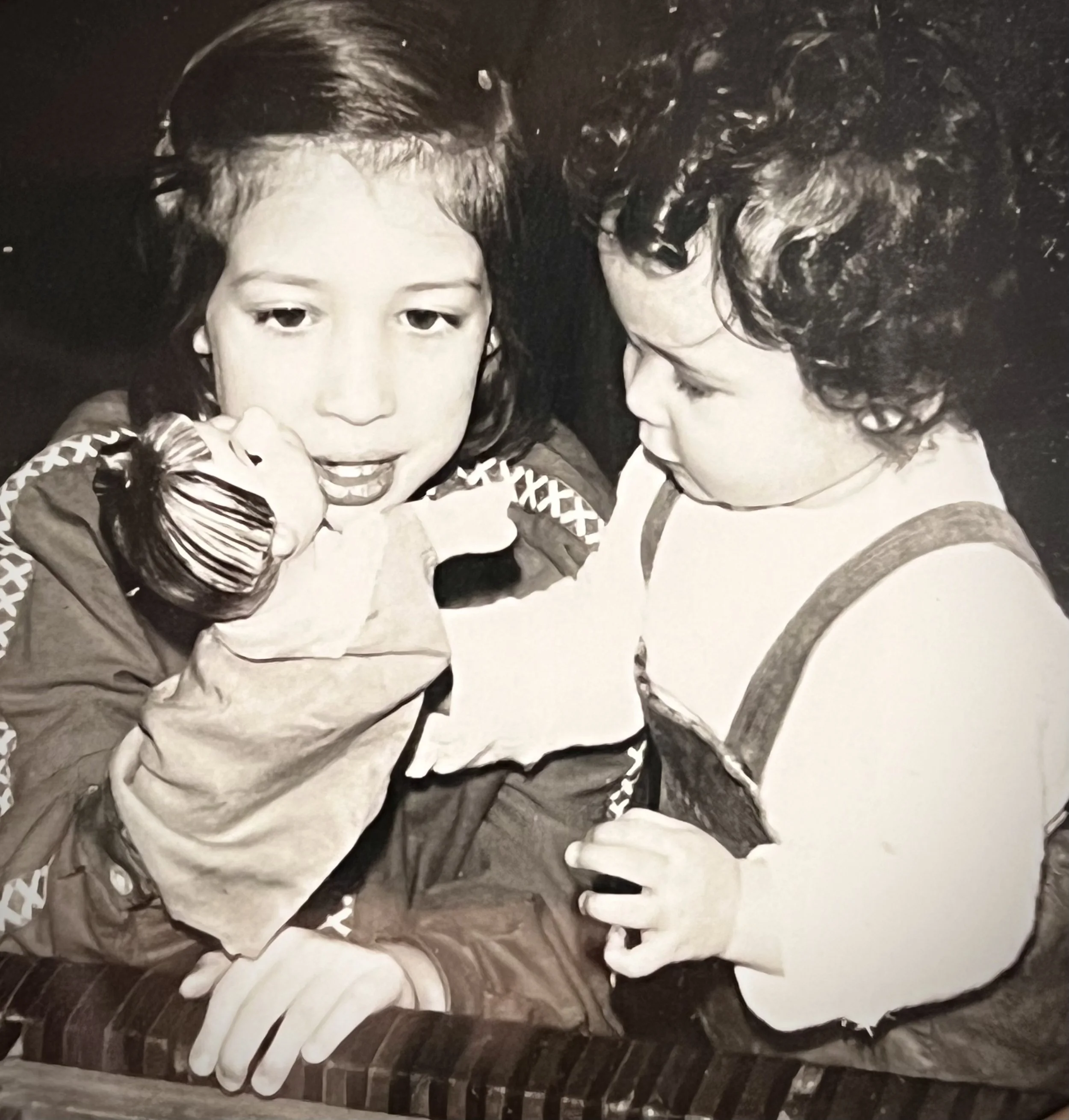
Growing up in a plurilingual and pluricultural family in what was then a largely monolingual and monocultural society in Germany, my interests naturally developed around culture and language. I grew up in Essen, the heart of the Ruhr area, but culturally I lived between my father's country upbringing in the Eifel region and my mother's expatriate world under the Eiffel tower. Between all family members we spoke German with an Eifel accent and English, French, Vietnamese, Portuguese, Russian, and Italian. It was in the Métro in Paris at the age of six where I suddenly realized that there were other people like us, people happily living in the in-between, linguistically and culturally. I continue to be on the lookout for these interstitial spaces.
During my studies in Germany, where I majored in German linguistics, education & psychology, and comparative cultural anthropology of textiles, I was introduced to the physiology of language. When—during my graduate studies—I discovered that there was such a thing as cognitive approaches to literature, I dove right in. I am interested in understanding how literature and art achieve their effects. This approach has allowed me to bring my love of literature and my interest in cognitive processes together and to expand into theater and performance analysis and practice.
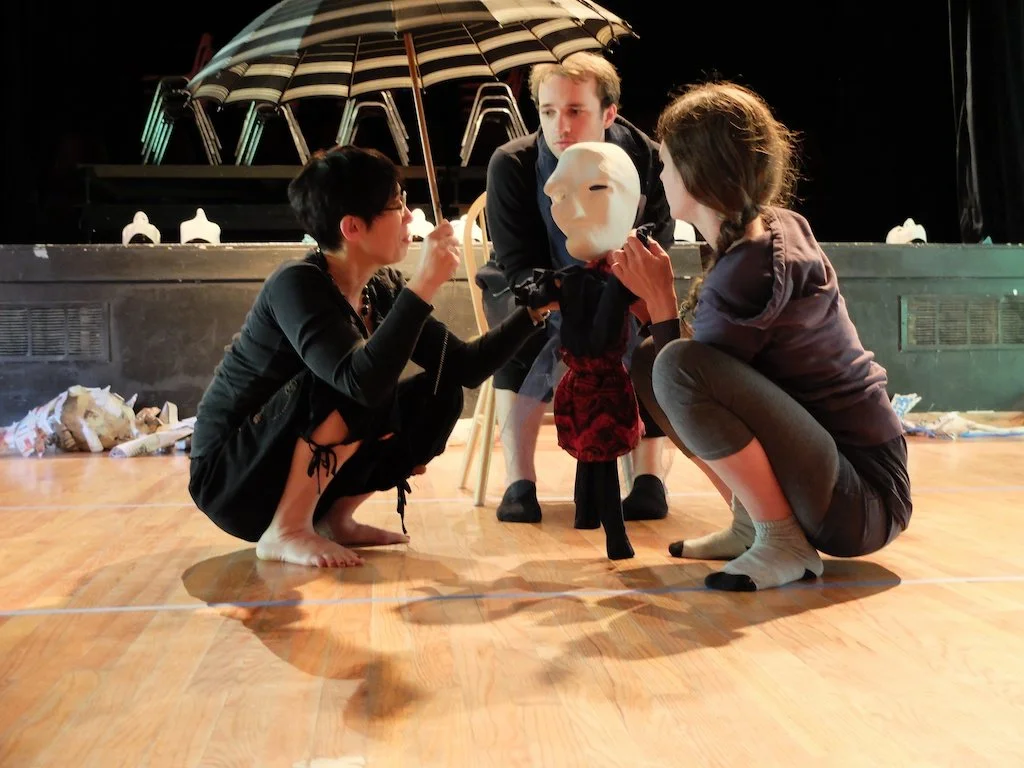
In my research, I currently focus on the cognitive processes involved in the perception of inanimate objects like puppets. In light of the proliferation of robots, androids, cyborgs, and the posthuman in general, the question of what it means to be human has come to the fore again. Studying puppets is, as odd as it may seem, a productive way of engaging with this question.
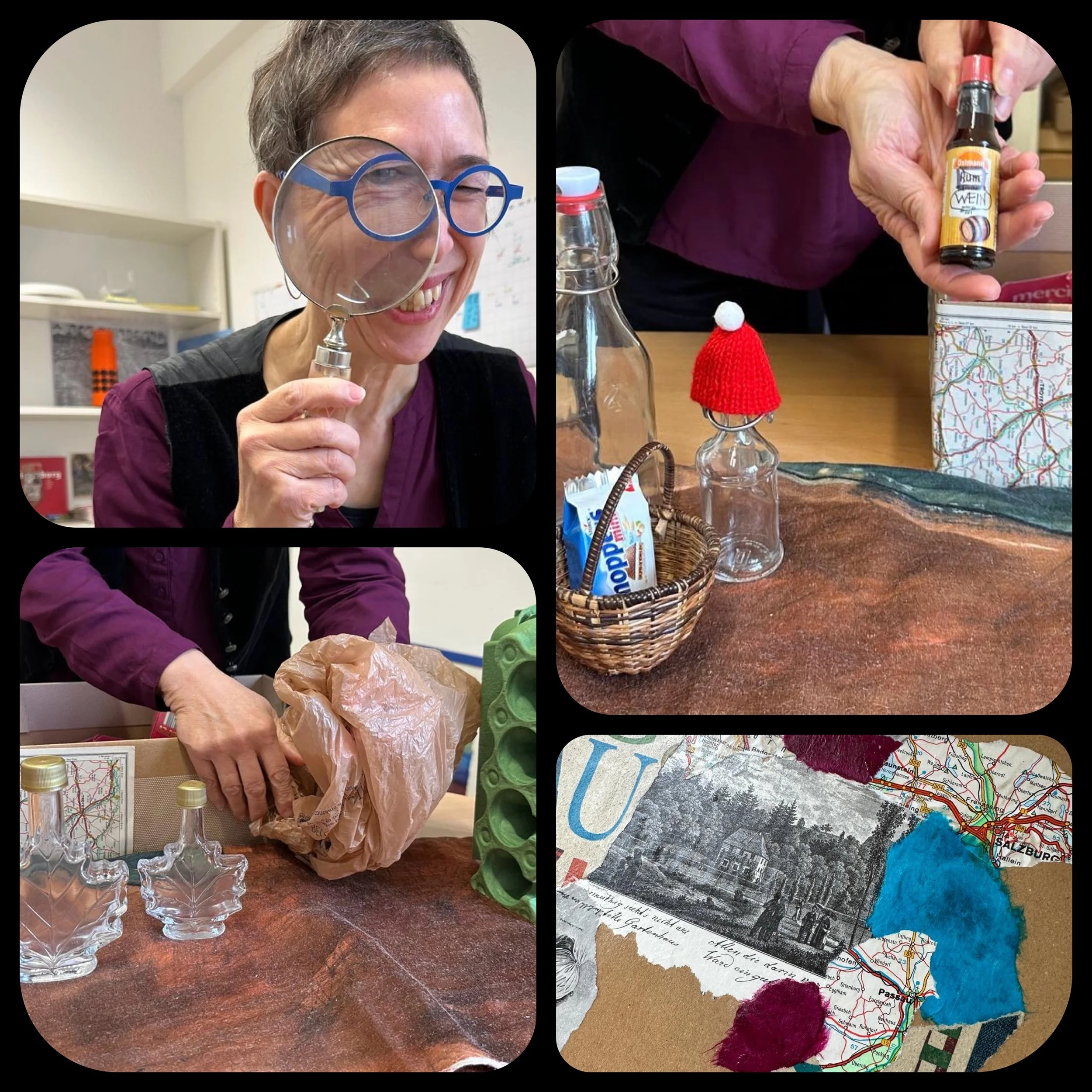
After more than two decades teaching in elementary classrooms through university, I recently left academia to pursue an independent community focused, scholarly and artistic practice through kaleidoscopia. I am co-founder of CAPR (Collaboratorium for Applied Puppetry Research), a Lansing-based Mutual Aid Society for Puppetry. Through workshops, performances, and life storytelling projects, especially focused on our elders, I bring puppetry to communities—exploring how performing objects create space for new ways of seeing, connecting, and being.
If this work resonates with you—if you see possibilities for your classroom, your community, your own stories—I would love to hear from you. Let us explore together.
See my CV here.
Portfolio page coming soon.